News | 18 September 2026
”No one can do this alone – we must dare to ask”
Early detection saves lives when it comes to eating disorders in children and young people. On 24 September, Ms Mia Göransdotter Hammar, School Nurse Coordinator at IES and Chair of the Swedish Association of School Nurses, will be one of several speakers at a digital conference on eating disorders. Her presentation will focus on the School Health Medical Service (EMI), collaboration, and the implementation of the National Board of Health and Welfare’s national guidelines for eating disorders.
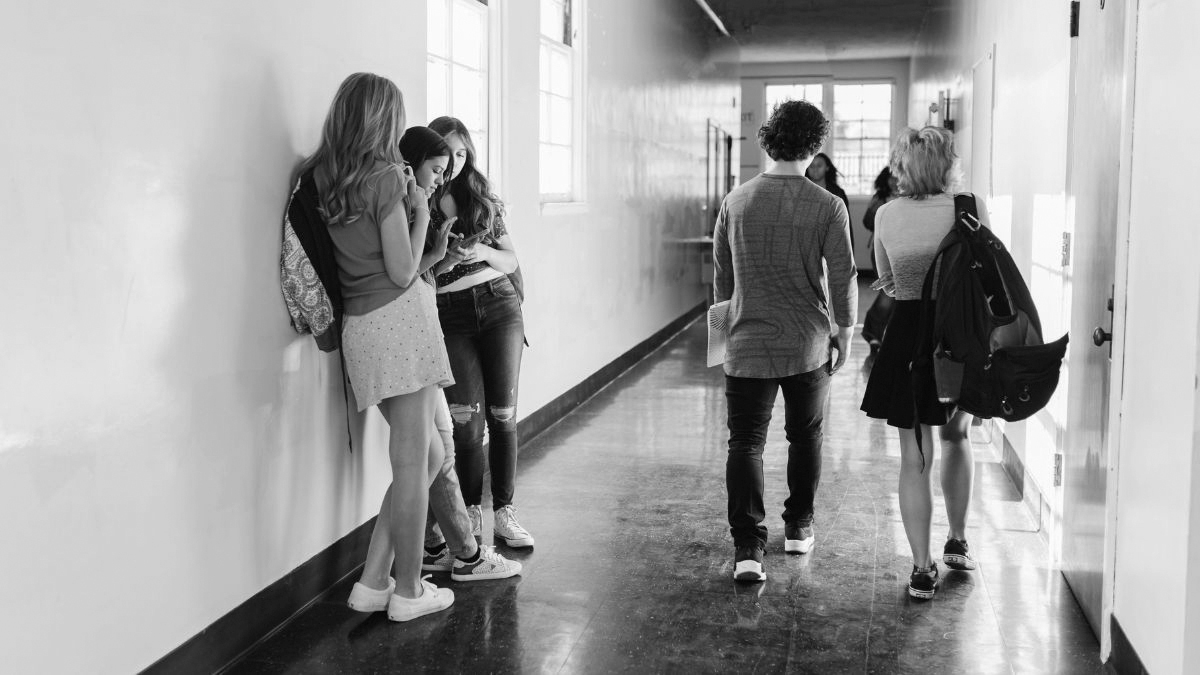
Schools and school health services are in a unique position. Through regular health checks and a natural presence in students' daily lives, they meet children and young people throughout their upbringing. However, that position also brings significant responsibility.
“Early detection only becomes truly meaningful when there are clear pathways forward to assessment, support, and treatment. Children and young people should not fall through the gaps between our different services,” says Ms Göransdotter Hammar.
EMI’s role: Detect and support – not treat
Regarding the implementation of the national guidelines for eating disorders, Ms Göransdotter Hammar highlights important boundaries. EMI’s core mission centres on health promotion, prevention, and early detection – not delivering eating disorder treatment.
“Our strength lies in continuity and the ability to notice changes over time. But for the guidelines to have a real impact, it must be clear what we should do when we are concerned and where the student should be referred. Care pathways and division of responsibility vary across the country and can be unclear,” Ms Göransdotter Hammar explains.
Preventive work also concerns how adults in schools express themselves.
“The school nurse weighs and measures children and young people, which comes with responsibility. The focus must remain on health, well-being, function, and development – not on judging a body or a number on the scales.”
The invisible puzzle: The whole school is needed
Spotting a student who is struggling is rarely a one-person job. Often, it is many small signs that together form a pattern. A teacher might notice a drop in concentration, the PE teacher sees changes regarding exercise, the canteen staff notice missed lunches, and the mentor observes the student withdrawing.
A large part of the school nurse's work also takes place behind the scenes due to confidentiality. It involves coordinating support with guardians, BUP (child and adolescent psychiatry), paediatric medicine, eating disorder units, and the rest of the school health team – while simultaneously adapting the school environment.
“A particular challenge arises when guardians become messengers between specialist care and the school. Expectations can easily be misunderstood in those situations. For example, it is not EMI’s role to provide mealtime support in school. The agencies need to speak directly to one another here, for instance through a Coordinated Individual Plan (SIP) meeting. This reduces the burden on the family and provides reassurance.”
The importance of understanding ARFID
Eating disorders are not always about an obsession with weight or body image. There are several different forms of eating disorders that we need to be aware of. Ms Göransdotter Hammar emphasises the importance of understanding ARFID (Avoidant/Restrictive Food Intake Disorder). Unlike anorexia or bulimia, ARFID is not driven by body dissatisfaction. Instead, it may involve a low appetite, strong sensory sensitivity to flavours, smells, or textures, or a fear of choking or vomiting.
“It is crucial not to dismiss extremely selective eating as a student simply being a 'fussy eater'. The school nurse's job is not to diagnose, but to recognise the pattern, see how the student's health is affected, and help them move forward to the right assessment.”
Why is it so vital to raise these issues at the conference on 24 September? The answer is simple: an eating disorder can quickly escalate into a life-threatening condition, and knowledge saves lives.
“For me, the message is simple: we do not need to diagnose, and we do not need to have all the answers. But we must dare to react to what we see, dare to ask how the child is doing, and know how to help them further. Above all, we need to get better at doing this together,” Ms Göransdotter Hammar concludes.
—----------
The conference is digital and open to everyone; read more here.